When a commercial expenses door falls short at a hectic facility, the problem seldom stays restricted to the opening itself. Forklifts still. Distribution routines slip. Indoor temperature levels swing. Protection dangers rise. At a warehouse, vehicle service bay, municipal fleet garage, food processing plant, or retail receiving dock, one disabled door can throw off an entire shift.
That is why business garage door repair needs to be come close to in different ways from an easy service phone call at a low-use building. High-traffic facilities put thousands of cycles on doors, drivers, springtimes, rollers, and tracks. They expose hardware to impact, resonance, dirt, weather, and difficult day-to-day use. In these setups, repair decisions have actual operational repercussions. An inexpensive solution that lasts three weeks is not a service. It is delayed downtime.
After years of seeing what holds up and what fails under pressure, one pattern corresponds. The most effective results originate from dealing with the door as a functioning system rather than a collection of different parts. Springs, wires, panels, tracks, seals, controls, and the garage door opener all impact each other. If one component is replaced without fixing the source of the stress, the following failing is usually currently on the calendar.
What makes high-traffic facilities different
An industrial door at an active filling location may open up and close lots of times per hour. In a climate-controlled storage facility, that suggests every cycle matters for energy retention. In a solution facility, every delay affects bay turnover. In a safe and secure site, every min a door sits half-open ends up being a liability.
Residential garage door repair is usually concerning restoring benefit and home protection. Business garage door repair is usually concerning protecting throughput. That difference alters the repair work strategy.
A facility supervisor might call since a door is jerking heading up, reversing unexpectedly, or making a loud metal snap. Those are apparent symptoms, but the operating setting typically tells the deeper tale. Repetitive forklift call can knock tracks out of plumb by a portion of an inch, which is enough to eat via rollers and overload the opener. Dirt from manufacturing can foul photo eyes. Temperature swings can tense lubes and reveal worn bearings. Corrosion near wash-down locations can deteriorate bottom brackets long prior to anyone notifications visible damage.
In high-cycle structures, even tiny positioning errors end up being expensive because repetition magnifies every flaw. A roller that drags slightly at 10 cycles daily might make it through for months. At 100 cycles daily, that same drag can destroy hinges, tension the shaft, and reduce motor life in a hurry.
The failures that turn up most often
The parts that fall short first are normally the parts absorbing movement, stress, and effect. Torsion springtimes are a frequent wrongdoer, particularly on older doors sized for common use but mounted in buildings with much much heavier demand. Garage door spring replacement prevails in commercial settings since cycle life matters. A springtime ranked for a reduced cycle count may look penalty theoretically, yet in a shipping facility it can mature out much faster than expected.
Cables and drums are following on the checklist. If a wire begins to battle royal, the problem is often dealt with like a one-part substitute. Occasionally that functions. Often it does not. Fraying may have started because the door is raising unevenly, the shaft is changing side to side, or the bottom brace took an impact that changed the wire course. Replacing the wire without remedying the geometry just restarts the countdown.
Track damage is an additional huge one. The majority of center teams observe severe bends, however minor influence damage is easier to miss out on. A track can remain standing and still be misaligned sufficient to cause roller wear, loud travel, and opener strain. On sectional steel doors, panel damage can also take a trip. A cracked stile around a joint point can transfer load to surrounding sections up until the problem spreads.
Then there is the driver itself. The garage door opener in a commercial center does even more than lift and reduced the door. It incorporates controls, limit settings, entrapment security, timer-to-close features, and in some cases gain access to administration. When drivers begin to be reluctant, drift off limitations, or journey overload security, professionals require to identify whether the motor is failing or compensating for a negative door. Changing a driver on a binding door is a costly error that still leaves the site with an undependable opening.
Why quick fixes frequently backfire
There is understandable stress to obtain doors moving once more quick. At a busy dock, every hour issues. However emergency situation repair services made without a bigger evaluation often produce repeat failures.
An example is roller replacement on a door with damaged track braces. The brand-new rollers may quiet the door momentarily, that makes everyone feel much better for a week or more. After that the sound returns, adhered to by cable television wear and an opener fault. The root trouble was not the roller. It was lateral activity in the track assembly.
Another example is replacing a broken springtime with the incorrect cycle score due to the fact that it is what the vehicle brings. The door functions once more, yet in a high-traffic center the springtime may fall short far earlier than administration anticipates. For low-use doors, basic supply may serve. For heavy-use openings, springtime option should mirror real cycle need, door weight, and stabilizing characteristics.
I as soon as saw a fleet upkeep building experience 3 operator solution contacts two months due to the fact that the team kept resetting a tripping system as opposed to addressing door drag. The opener was not malfunctioning. The reduced track section had been struck by a vehicle, developing simply enough bind to strain the driver at mid-travel. When the track was fixed and the door rebalanced, the issue disappeared.
That type of story prevails. High-traffic doors punish guesswork.
Repair begins with a true operating diagnosis
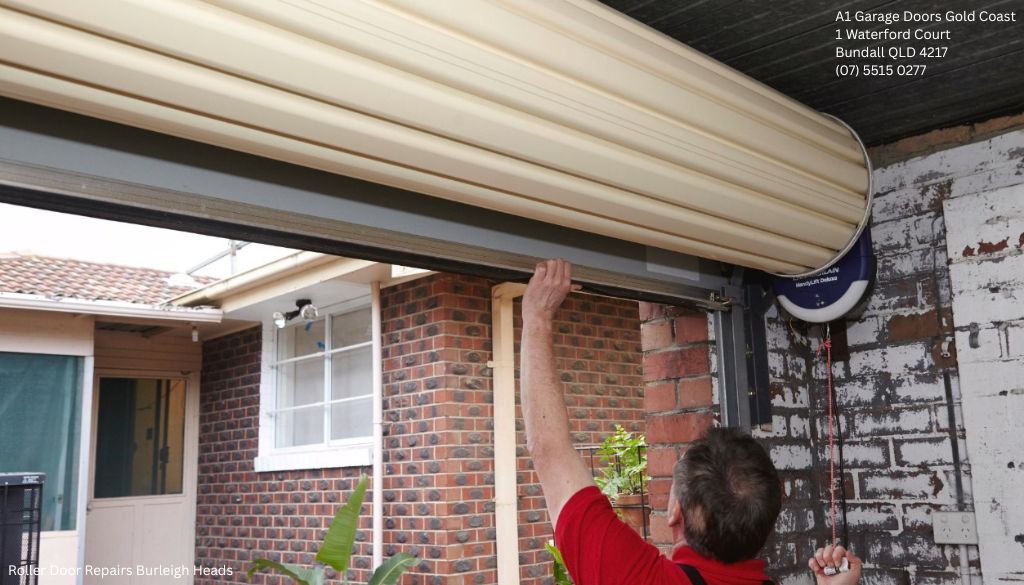
The most effective industrial garage door repair procedure starts with monitoring. Not just whether the door opens, yet just how it opens up. Does it increase evenly? Does it think twice at the very same factor every cycle? Does the bottom seal struck the floor continually across the complete width? Are the wires bring equal stress? Does the operator audio stressed at start-up or near full open?
A strong technician additionally pays attention to hints that are not straight mechanical. Scuffed panel sides can show persisting get in touch with. Dark deposit on the track might suggest roller degradation. Voids in boundary seals can recommend structure change or prior crash damage. Controls mounted where lift traffic passes as well carefully might describe repetitive effect failures.
For high-traffic sites, a great medical diagnosis needs to respond to three inquiries. What failed, what created it to stop working, and what neighboring parts have actually probably been shortened by the same concern. Without those answers, the fixing is incomplete.
Spring and counterbalance options that match actual cycle demand
Garage door spring replacement is entitled to mindful idea in commercial settings due to the fact that springs are wear items, however not all put on things are equal. Springs have cycle rankings, and those scores need to match the real workload of the opening.
If a door is used 15 times a day, a typical spring configuration may supply acceptable life span. If the exact same opening sees 60 or 80 cycles a day, higher-cycle springs end up being a practical investment. The upfront expense is greater, but the math generally prefers sturdiness as soon as solution interruptions, labor, after-hours phone calls, and operational disturbance are considered.
This is especially real at facilities with strict getting windows or refrigerated insides. A spring failing at a cold-storage dock is not simply a repair service invoice. It can end up being an energy problem, an item problem, and an organizing problem.
Spring work likewise needs to make up balance accuracy. A door that is practically operable yet improperly well balanced forces the operator to do function the counterbalance system must be doing. That shortens operator life and can produce inconsistent quiting behavior. Sometimes, what appears like an opener problem is actually a balance problem hiding in simple sight.
Tracks, rollers, and hinges, the wear points that regulate smooth travel
Smooth travel is not aesthetic. It is a mechanical indication. On a healthy and balanced door, rollers relocate cleanly, hinges articulate without excess play, and the track course remains regular from floor to header. When one of those problems changes, put on accelerates quickly.
At busy websites, rollers are usually changed with the same product that simply stopped working, even when the center setting recommends a better choice. Steel rollers may hold up well under some lots, however in dusty or wet environments they can produce sound or deterioration issues. Sealed birthing rollers can provide much better service life in the right application. The secret is matching hardware to the website, not failing to whatever was there originally.
Hinges should have more focus than they obtain. Lengthened joint openings, broken leaves, or warped facility hinges can make a door stroll and shake under load. The same chooses worn bearings at the end plates or facility support. None of these components are extravagant, but in high-cycle procedure they figure out whether the opening fix garage door opener runs cleanly or slowly rips itself apart.
The best repair service groups do not just replace damaged components. They examine the line of travel after the repair work and verify that the door is not wandering, racking, or binding under power.
Commercial operators and controls need their very own repair service strategy
A commercial garage door opener is not a homeowner-grade ease gadget. It becomes part of an accessibility system, a security system, and an operations system. The operator has to communicate with wall controls, key buttons, pull cables, edge sensing units, image eyes, loopholes, timers, and in some cases developing administration systems. That means opener issues are not constantly electric motor problems.
At high-traffic centers, control issues often come from ecological abuse. Photo eyes get knocked senseless of positioning. Wiring obtains pulled loose during clean-up or equipment movement. Timer settings are changed throughout a shift and never restored. Restriction switches drift after repeated hefty use. Outside radio controls can stop working from moisture breach or age.
Repairing the driver side properly indicates evaluating the complete chain. An electric motor that hums yet does not move may indicate a stopped working capacitor, a binding door, a brake problem, or a drive trouble. A door that reverses near the flooring may suggest a closing pressure setting that is also sensitive, yet it may additionally be reacting to floor changes, negative side discovery, or seal compression that changed over time.
This is one location where industrial garage door repair differs dramatically from property garage door repair. In a home, troubleshooting is normally uncomplicated because the arrangement is straightforward. In a center, there may be multiple control inputs and safety and security tools layered with each other. A rushed diagnosis can squander hours.
When repair is no longer the clever choice
Not every door should be repaired forever. There is a factor where covering an aging opening sets you back more than planning a replacement. That point gets here sooner in high-traffic facilities since the expense of downtime is a lot higher.
Garage door setup becomes the far better choice when the door has persistent panel damages, outdated operator components, repeated track distortion, or severe rust in structural attachment factors. It likewise makes good sense when the building usage has altered. A storehouse that now deals with even more everyday web traffic than it did five years ago may require a higher-cycle system, far better insulation, faster driver action, or enhanced impact resistance.
Replacement does not always suggest a total redesign. Sometimes it means choosing a door and equipment package that much better matches the actual usage situation. A full-view door might look exceptional in a showroom service lane, however it might not be suitable for a freight-heavy opening. A rolling steel door may enhance safety and security and toughness in one location, while a sectional insulated door might be better for environment control in another.
The right garage door installation decision ought to consider traffic volume, opening up size, ecological direct exposure, safety demands, insulation goals, and serviceability. A slightly greater preliminary spend can reduce emergency situation calls substantially over the next numerous years.
Downtime planning matters as long as the repair itself
At high-traffic residential properties, the timing of work matters almost as high as the job. Some centers can absorb a repair throughout lunch or second shift. Others require organized solution because one opening can not be secured of compensation without rerouting operations.
That is why the strongest company ask operational concerns before they begin. Which doors are mission-critical? Is there a backup course for getting? Can the site isolate one bay at once? Does the driver demand lockout control with interior security personnel? These details affect how a repair work ought to be scheduled and executed.
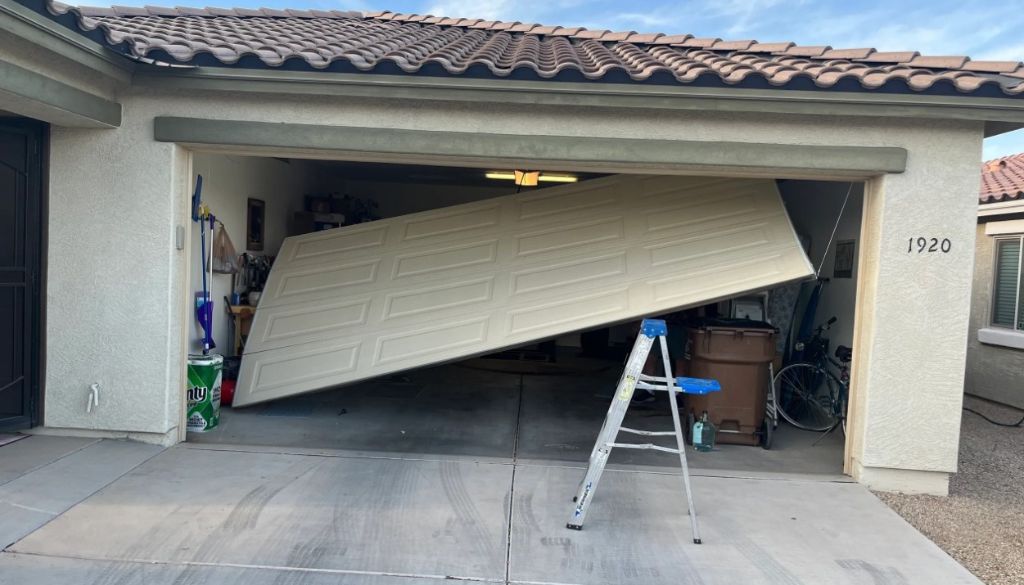
For facilities with 24/7 task, momentary stabilization can sometimes purchase a small preparation window, but just if it is safe and clearly connected. A door might be secured in an open position for a few hours to protect traffic circulation, or a damaged control circuit could be separated while the opening is run under supervised guidebook protocol. These are not long-lasting solutions, however they can aid a business prevent a period while irreversible repair work are organized.
Preventive service is the least expensive emergency repair work you never ever need to make
Most pricey failures leave advising indicators initially. The difficulty is that hectic centers normalize noise, resonance, and slow degeneration till something ultimately damages. Preventive service changes that pattern by turning reaction into inspection.
A sensible maintenance program for high-traffic doors usually consists of the following:
Checking springtime equilibrium, cord condition, roller wear, and track positioning on a regular routine linked to cycle volume Testing safety tools, limitation settings, and opener action under normal operating load Tightening hardware, lubing approved points, and replacing worn consumable components before they damage adjacent components Documenting repeat concerns by opening up, so chronic effect areas or operator mistakes become visible over time Reviewing whether the existing door configuration still matches the facility's web traffic and environmental demandsThat sort of program is not glamorous, yet it is effective. In numerous buildings, the very first preventative check out discovers years of postponed wear. When the stockpile is remedied, solution calls typically become a lot more predictable and much less disruptive.
Special problems that transform repair service priorities
Not every center puts anxiety on doors similarly. Food and drink websites present wash-down exposure and stringent cleanliness issues. Auto shops deal with exhaust, grit, and frequent lorry motion. Distribution centers face duplicated forklift communications and long open periods. Parking structures frequently have wind lots, wetness, and deterioration issues. Fire stations and emergency feedback buildings have almost no resistance for slow-moving cycle times or stopped working openings.
These conditions influence repair work choices. Corrosion-resistant elements may deserve the added expense near chemical exposure. Heavy-duty lower seals might spend for themselves in dirty freight environments. Faster drivers can enhance effectiveness in some buildings, but only if the door structure and security bundle are suited to that speed.
One side instance that obtains forgotten is mixed-use residential properties where a professional tries to use domestic routines to a business opening. The language sounds acquainted, yet the context is not the exact same. A technology who mostly handles household garage door repair may be perfectly skilled with home systems, yet still miss out on the operational and security intricacy of a high-cycle industrial bay. That does not make the individual unskilled. It indicates the facility requires somebody accustomed to business demands.
How managers can tell whether a fixing recommendation is sound
A solid repair recommendation is specific. It describes what fell short, why it failed, and what happens so part of the issue is resolved. It likewise compares immediate safety and security problems, near-term integrity threats, and optional upgrades.
If a contractor says a spring broke and requires substitute, ask whether cycle score need to be enhanced. If the opener is being condemned, ask whether the door was examined for smooth hands-on activity first. If wires are torn, ask what caused the wear pattern. If a panel is damaged, ask whether the tracks and jamb add-ons were looked for impact transfer.
Good solutions are typically clear and grounded in monitoring. Vague responses have a tendency to lead to repeat service.
It likewise helps when service providers record the condition of the opening with pictures and keep in mind the cycle environment. In high-traffic facilities, that record becomes useful. It permits managers to see whether Door 3 constantly has the exact same issue, whether driver resets are enhancing, or whether one packing lane is building up more effect damage than the rest.
The viewpoint pays off
Commercial garage door repair for high-traffic facilities is not practically getting a door to move once more. It is about restoring risk-free, repeatable performance under genuine operating stress. That requires better diagnosis, bulks selection, and far better judgment than a standard substitute repair.
When centers straighten repair service technique with real web traffic volume, the outcomes are simple to see. Emergency calls decline. Operators last much longer. Door traveling obtains quieter and smoother. Safety devices function as planned. Loading routines stabilize. Energy loss drops. Team quit dealing with the opening like a day-to-day gamble.
There is still an area for urgent action, of course. Springs break. Tracks obtain hit. Controls stop working at the most awful moment. Yet the centers that manage these issues ideal are the ones that move quickly in the minute and assume meticulously after the door is running again.
In practical terms, that means selecting industrial garage door repair partners that understand cycle life, counterbalance accuracy, effect damages, driver reasoning, and downtime planning. It implies acknowledging when garage door spring replacement ought to consist of an upgrade, when a garage door opener problem is actually a door issue, and when garage door installation is the smarter long-term relocation. It likewise means not perplexing the requirements of a high-use commercial opening with the less complex demands of domestic garage door repair.
Busy structures depend upon reliable openings greater than most people recognize. When those openings are repaired with a full-system way of thinking, they stop being persistent headaches and go back to what they ought to be, reputable framework that lets the remainder of the operation move.